
Cruise line sexual assault lawyers RI underscore the unique challenges faced by cruise lines in addressing sexual violence, highlighting high unreported rates due to fear and lack of understanding of rights. They advocate for well-defined protocols including prompt reporting, thorough investigations, and accessible support services. Key strategies include mandatory crew training, confidential care, counseling, legal assistance, consistent policies aligned with international standards, and stronger legal remedies. Victims can access counseling, medical care, advocacy organizations, and non-profit groups for confidential support. Cruise line security plays a critical role in immediate victim care and long-term safety, facing challenges like limited access to services at sea. Effective prevention demands comprehensive strategies including crew training, public awareness campaigns, clear communication, supportive policies, and collaboration with law enforcement.
Sexual assault on cruises is a pressing issue that demands immediate attention, given the unique challenges of addressing such crimes in an isolated, floating environment. The vastness and anonymity of cruise ships can make it difficult for victims to seek help, and the legal complexities often deter them from pursuing justice. Cruise line sexual assault lawyers RI specialize in navigating these intricacies, providing crucial support to affected individuals. This article delves into the problem, explores the barriers victims face, and offers a comprehensive solution, emphasizing the vital role legal professionals play in ensuring justice and healing for all cruise ship sexual assault survivors.
Understanding Cruise Line Sexual Assault Policies
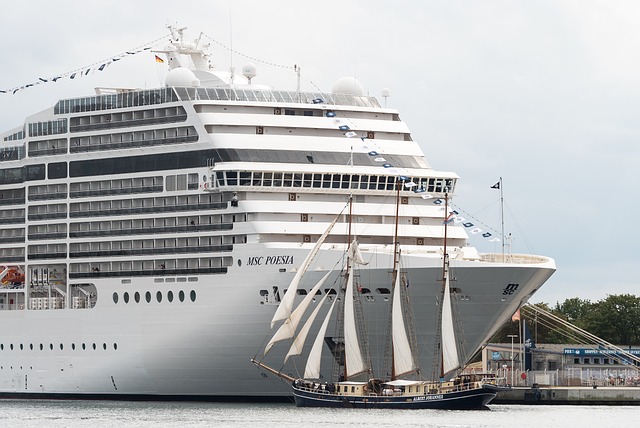
Cruise lines operate in a unique legal and regulatory environment, raising specific challenges when addressing sexual assault on board their vessels. Understanding the policies and procedures implemented by cruise lines is crucial for ensuring victims receive adequate support and justice. According to a study by the National Center for Victims of Crime, reports of sexual violence against women on cruises are alarmingly high, with many cases going unreported due to fear, shame, or lack of understanding of legal rights. This underscores the need for clear and effective policies that not only deter but also respond promptly and comprehensively to such incidents.
Cruise line sexual assault lawyers in Rhode Island and elsewhere emphasize the importance of well-defined protocols that involve prompt reporting mechanisms, thorough investigations, and accessible support services. For instance, some cruise lines have implemented mandatory training programs for crew members, focusing on recognizing potential red flags and responding appropriately. They also provide victims with confidential access to medical care, counseling, and legal assistance. However, the effectiveness of these policies varies widely among different cruise lines. Victims may face barriers such as language differences, cultural sensitivities, or a lack of awareness about their rights.
Moreover, jurisdiction issues complicate matters, as cruise ships sail under various flags, and incidents may occur in international waters or ports with differing legal frameworks. Cruise line sexual assault lawyers advocate for consistent and robust policies that are aligned with international standards and can overcome these jurisdictional hurdles. They also push for stronger legal remedies, including increased liability for cruise lines found negligent in their response to assaults. By holding cruise lines accountable, these measures aim to not only compensate victims but also deter future incidents through enhanced prevention strategies.
Supporting Victims: Legal Rights & Resources
The aftermath of a cruise line sexual assault can be an incredibly challenging and confusing time for victims. Understanding one’s legal rights is an essential step towards healing and justice. In such situations, seeking specialized support from experienced professionals—specifically, cruise line sexual assault lawyers Rhode Island—is crucial. These experts possess in-depth knowledge of the unique complexities surrounding maritime law and sexual assault cases, ensuring victims receive adequate representation.
Legal protections for victims of sexual assault on cruises are vital to hold perpetrators accountable. Cruise lines operating within U.S. jurisdiction are subject to federal laws like the Sexual Assault on Ships and In Port Act (SASIPA), which establishes clear guidelines for response and prosecution. According to the U.S. Coast Guard, there were 35 reported sexual assaults on cruises in 2021, a figure that underscores the need for robust legal frameworks. Cruise line sexual assault lawyers RI can navigate these laws, ensuring victims’ rights are protected throughout the legal process.
Support services extend beyond legal representation. Victims may access counseling, medical care, and advocacy organizations tailored to maritime settings. These resources aim to empower survivors, providing them with the necessary tools to confront the trauma they’ve experienced. For instance, non-profit groups dedicated to assisting cruise victims offer confidential hotlines, online forums, and educational webinars, fostering a sense of community and support. By combining legal expertise with compassionate care, professionals in this field can significantly impact the lives of those affected by cruise line sexual assaults.
The Role of Cruise Line Security & Law Enforcement

Cruise line security and law enforcement play a pivotal role in addressing and preventing sexual assault on cruises. With limited space and confined environments, cruise ships can unfortunately serve as breeding grounds for such incidents. According to the National Center for Justice for Victims of Sexual Assault, approximately 1 in 6 women have experienced attempted or completed sexual assault while on vacation, with cruise ship passengers being particularly vulnerable. Cruise line sexual assault lawyers RI emphasize that swift and effective response from security personnel is crucial not just for immediate victim care but also for ensuring a safe environment for all passengers moving forward.
The challenges faced by cruise line security include the unique dynamics of sea travel, where access to medical facilities and legal services can be limited. Training crew members in recognizing and responding to sexual assault incidents is essential. This includes providing them with the knowledge to assess immediate risks, administer first aid, and provide psychological support until professional help arrives. Moreover, establishing clear protocols for reporting and investigating assaults ensures consistency and accountability, reducing potential delays or mishandlings that could further traumatize victims. Cruise lines must also collaborate closely with local law enforcement upon docking, ensuring that victims have access to justice and medical services ashore.
Effective enforcement requires a multi-faceted approach. Implementing robust security measures such as heightened surveillance in high-risk areas, clear signage, and accessible emergency contact points can deter potential perpetrators. Additionally, cruise lines should foster an open and supportive culture where victims feel comfortable coming forward. This includes sensitizing all crew members to the issue of sexual assault, promoting bystander intervention, and providing regular training sessions. Cruise line sexual assault lawyers RI further suggest that establishing dedicated support teams or victim assistance programs can significantly improve post-assault care, reducing the long-term psychological impact on survivors.
Prevention Strategies: Safeguarding Cruisegoers

Preventing cruise line sexual assault requires a multi-faceted approach involving both proactive measures and swift responses. Cruise lines have a legal and ethical obligation to ensure the safety of their passengers, and this includes safeguarding against sexual violence. According to the National Sexual Assault Hotline, approximately 1 in 4 women and 1 in 7 men will experience sexual assault in their lifetime, and these statistics extend to cruise ship settings. To mitigate risks, cruise lines should invest in comprehensive training programs for crew members, emphasizing awareness, consent, and crisis intervention techniques. Regular drills and simulations can prepare staff to handle potential incidents effectively.
Public education and awareness campaigns are also crucial components of prevention strategies. Cruise line sexual assault lawyers RI emphasize the importance of educating passengers on personal safety, including recognizing and reporting suspicious behavior. Distributing information on consent, safe travel practices, and emergency contact details can empower individuals to take proactive measures. Additionally, cruise lines should facilitate open communication by providing dedicated resources for victims to report incidents discreetly. This could involve confidential reporting systems, dedicated support staff, and access to medical and legal services.
Beyond these initiatives, establishing clear policies and procedures is vital. Cruise lines must ensure that their code of conduct explicitly addresses sexual assault, outlining consequences for non-compliance. Regular reviews and updates to these policies should reflect evolving understanding of prevention strategies. Collaboration with law enforcement agencies and local communities can also enhance response capabilities. By integrating these measures, cruise lines can foster a safer environment, not just during the voyage but also by providing victims with adequate support and justice.